



But quick history lesson before I drone on about how the Caddy is as American as the M16 rifle and… some other stuff and if you don’t even wanna read this rambling just skip uh, the following six paragraphs, the Golf came to be in 1974 – at the exact moment North America shat itself at the economy bricking, fuel becoming equal to gold in price and rarity, the Vietnam war was still happening despite a withdrawal of US troops, it just really wasn’t a great time for North America, or for Europe and Asia… Or even the Middle-East… Y’know what, it was a pretty terrible fucking time for everyone involved – but! Some good news too, at least on the car world front, a small affordable little fighter was about to be introduced to the world.


And it did turn out to be good news, to be fair, it really did; from ’74 ’til ’13, the Golf is the third best selling car in the world. Styled by Giorgetto Giugiaro’s company Italdesign, a company more famously known for drafting up some of the prettiest and downright sexiest cars in the history of man, hell you should gave the list of beauties they’re responsible for a looksee. It’s pretty evident that the Scirocco and Jetta of the same years were designed by them too as it shares most of the body styling and components, but for the Golf one thing was absolutely key; keep it small. Small hatchbacks were already a thing in Europe, with the ever so popular Renault 5 and Fiat 127 to name a couple and the US had also taken its baby steps with the AMC Gremlin and quietly Japan had been stomping out small, affordable vehicles since the fifties but exporting them en masse would take a bit longer still.
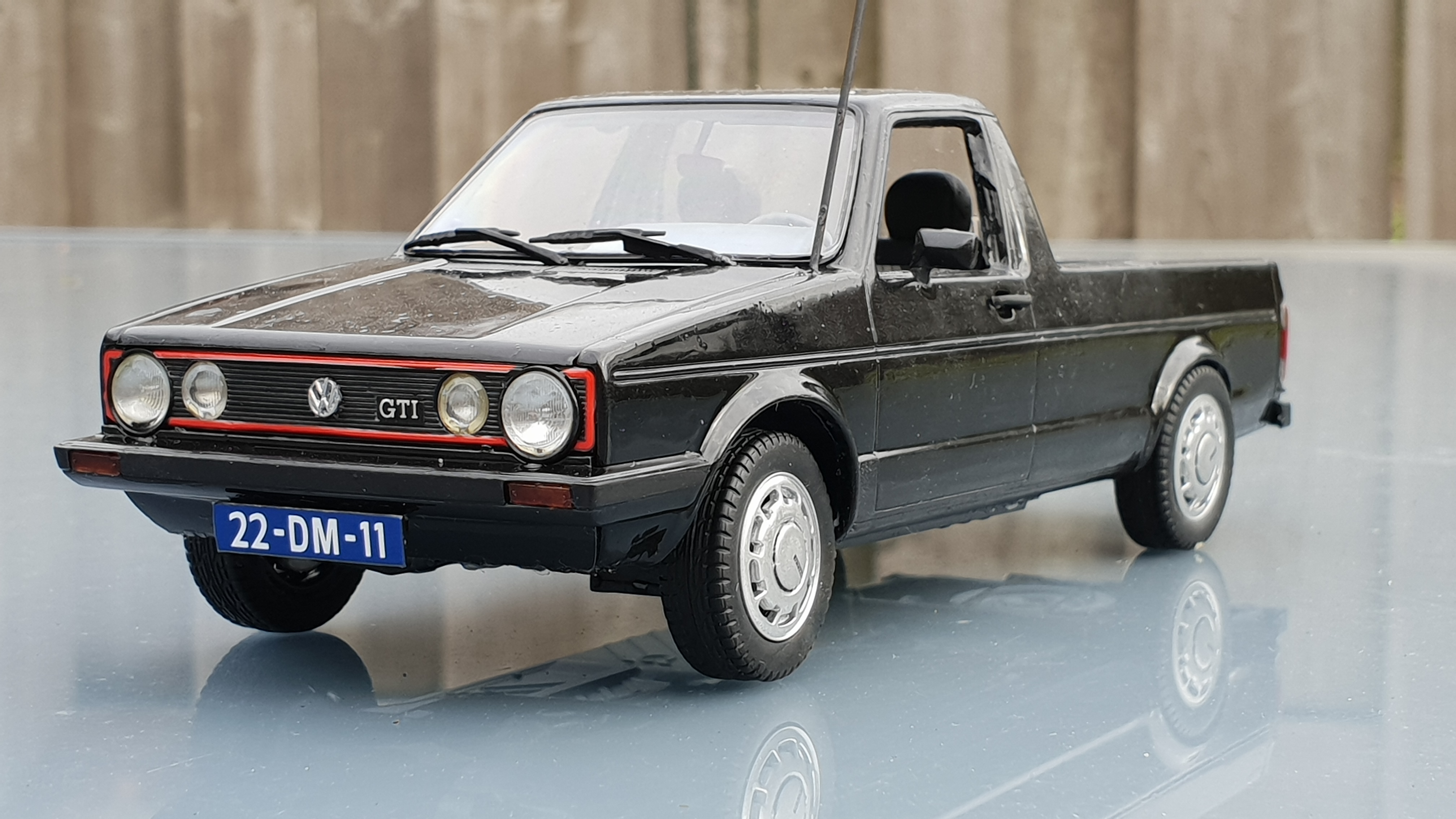

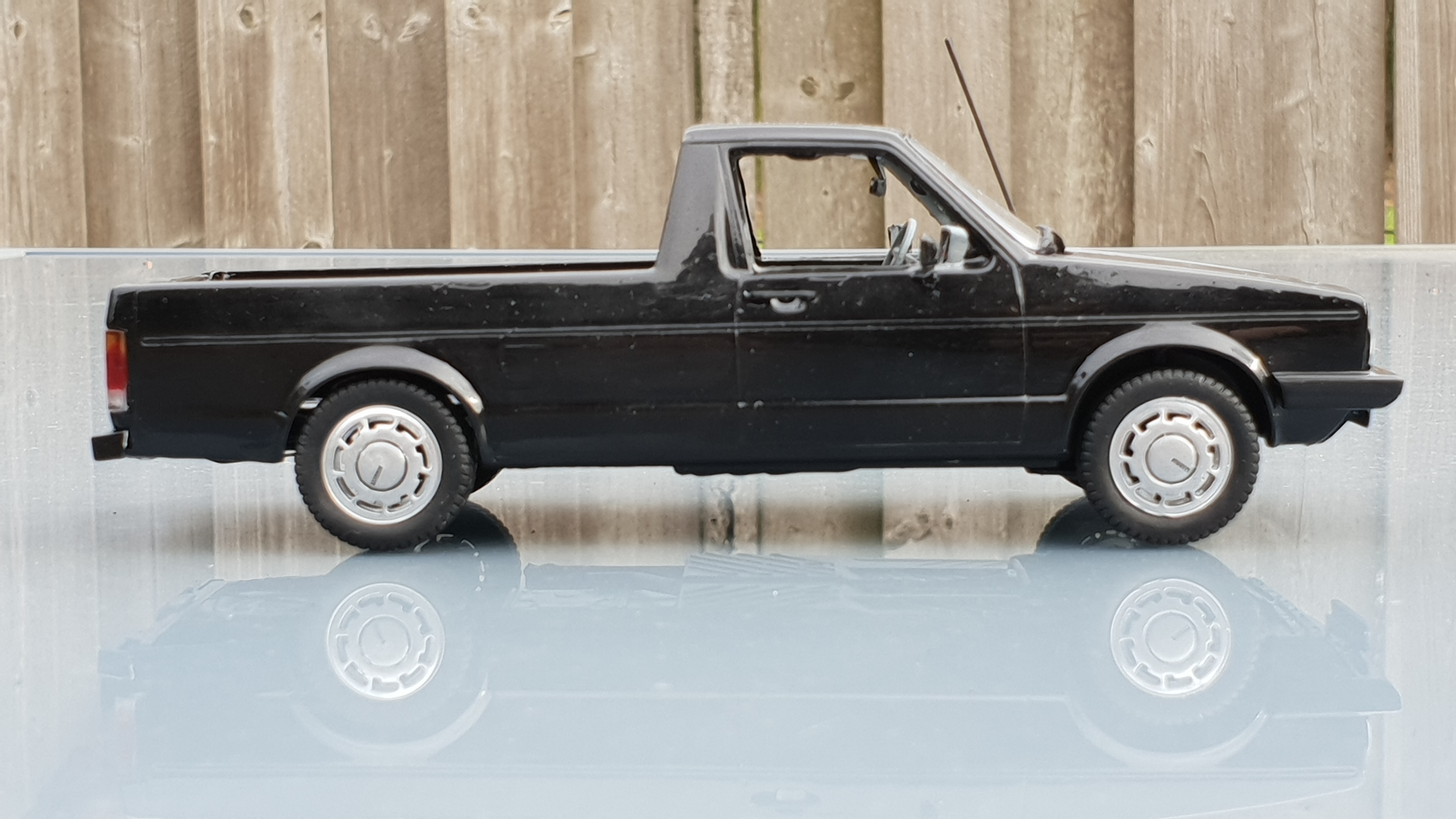
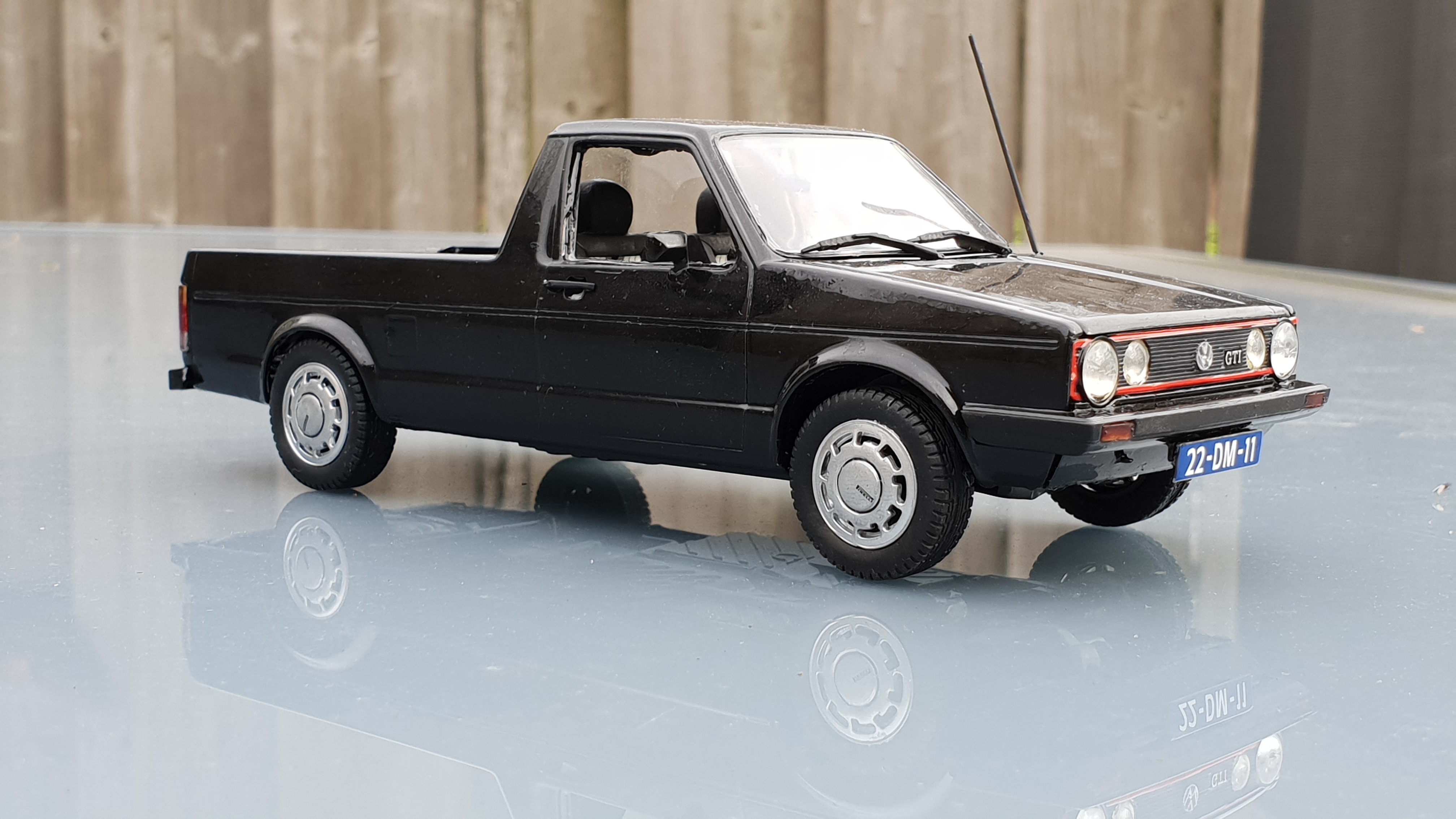
But back to the Golf-being-a-Rabbit thing, someone said you couldn’t fit golf clubs in the back of the thing? Well worry no more! PICK UP TIME! Volkswagen had been testing out a variety of Golf versions for half a decade by 1978, among them were a fully electric Golf, a station wagon version which never made it to life cause of the Passat/Dasher already filling that corner and of course, a wee little pick-up. And guess who was interested in that whole shebang? James McLernon, acting executive over at VW America in ’75 through ’82, known for Malibu-ing the Golf and being hated for it. Greenlighting the Volkswagen Rabbit Pick-up for 1978, it very much was the perfect blend of American ideas(or Australian, even) and European efficiency(to emphasize the American part, it even got a ridiculous decal package in 1981). The whole Caddy nameplate didn’t even exist back then, it only came to be in 1982 when Volkswagen wanted the thing over in Europe and started making them locally and boy did it get a following. I grew up with Caddys everywhere, they were less common than the Golf true but they still had a giant, giant presence – they were effectively perfect for small business owners who were fed up with shoving shit onto their backseats or be forced to buy a more expensive Toyota or Mitsubishi pick-up. It had everything going for it that Europeans were into, it was quite nippy for a small 1.6L powered car cause it hardly pulled any weight(which could be a deal-breaker for people) and one of the really, really popular things to do was to swap parts with a Golf GTI. The GTI seats and grille especially were common swaps, cause it took little to no effort to do so and plenty of spare parts littering most of Europe to work with.
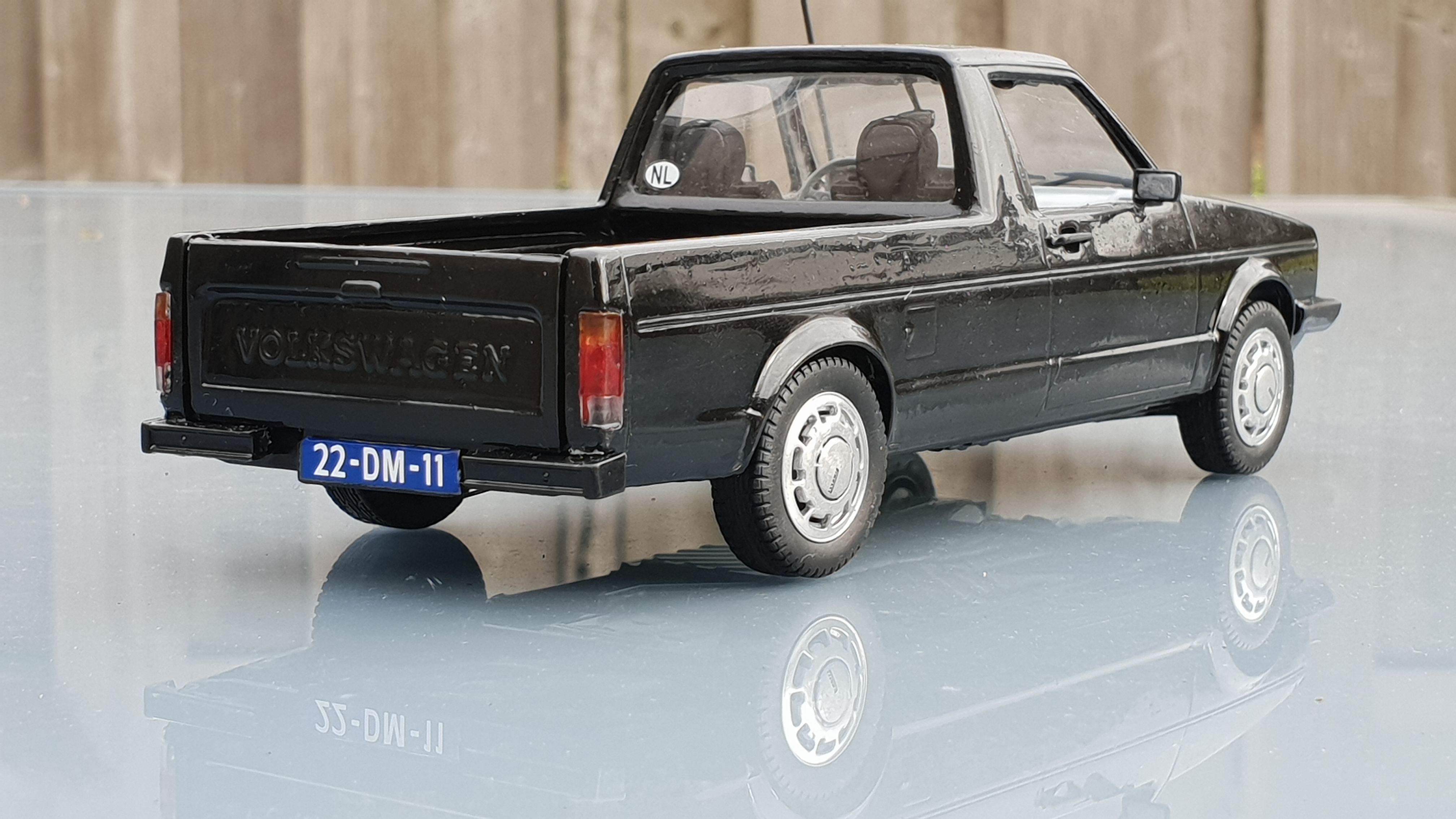

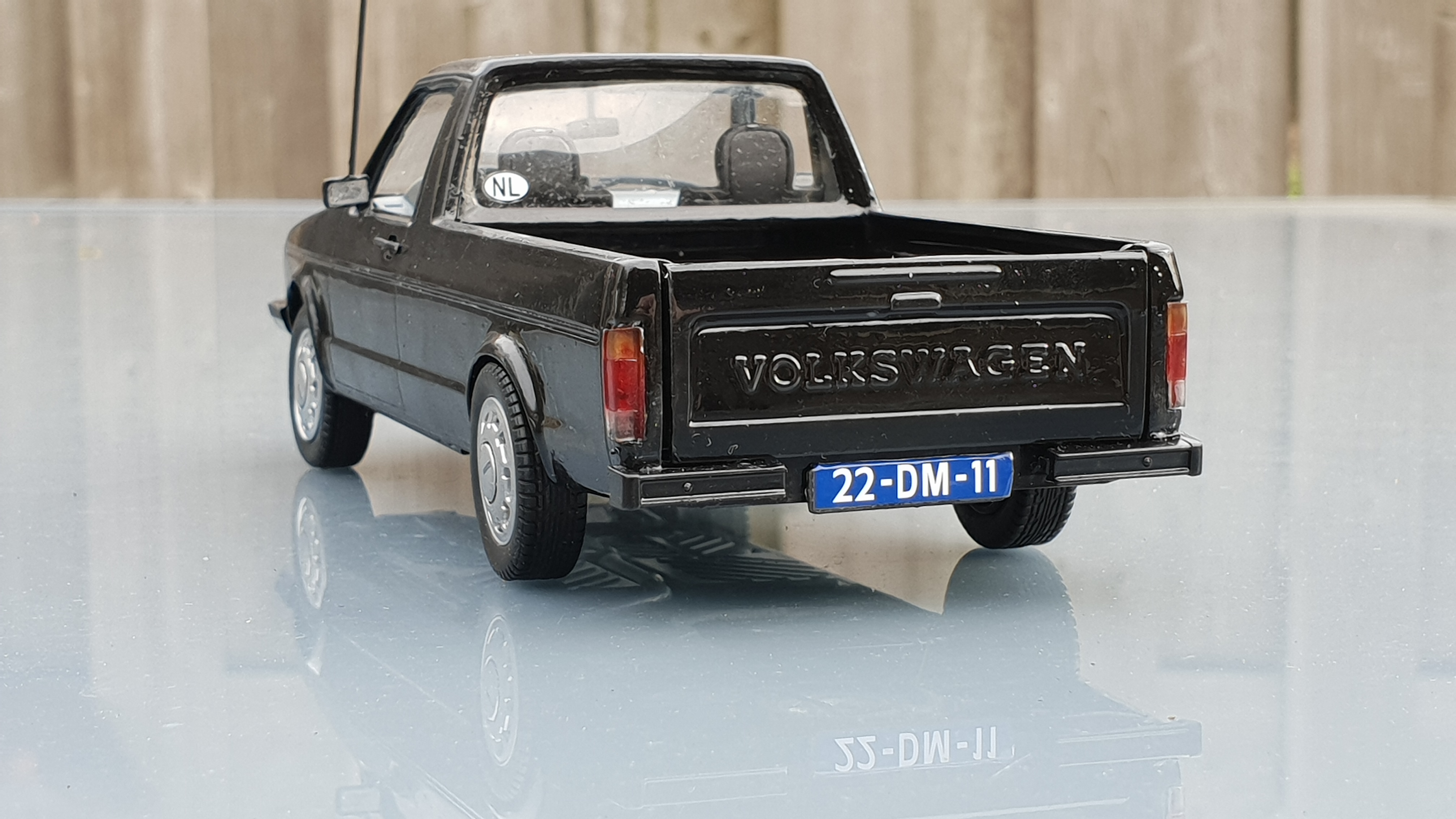
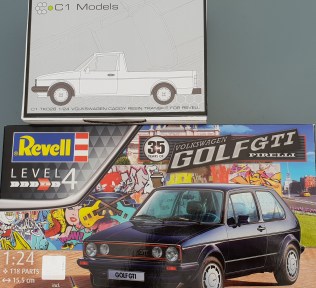
The whole set has the crisply cast body, the tail lights, door mounts, rear window, the rear axle and suspension set up and a spare tire, plus a whole set of brass stuff to replicate the spare wheel mount, the tailgate hinge, the axle braces, so forth. Plus a spare tail-gate netting and a smooth bumper for those inclined to use it. Seriously, the thing was 48 British pounds, or the equivalent of 55EUR/61USD and it’s worth it. If you like me, like the VW Caddy, it’s simply worth it. It’s a little hassle, all together crisp piece of work that honestly builds together no less well than the Revell kit you’d have to use as a donor. Speaking of Revell kits, there’s three choices you can work with now to use as a filler-kit; the Revell Golf Mk.1 Cabrio, the Golf GTI and the all new Golf GTI Pirelli kit. The difference in the end kind of comes down to three things, the wheels, if you’d like to use non-GTI interior bits and if you’d wanna use the GTI engine.
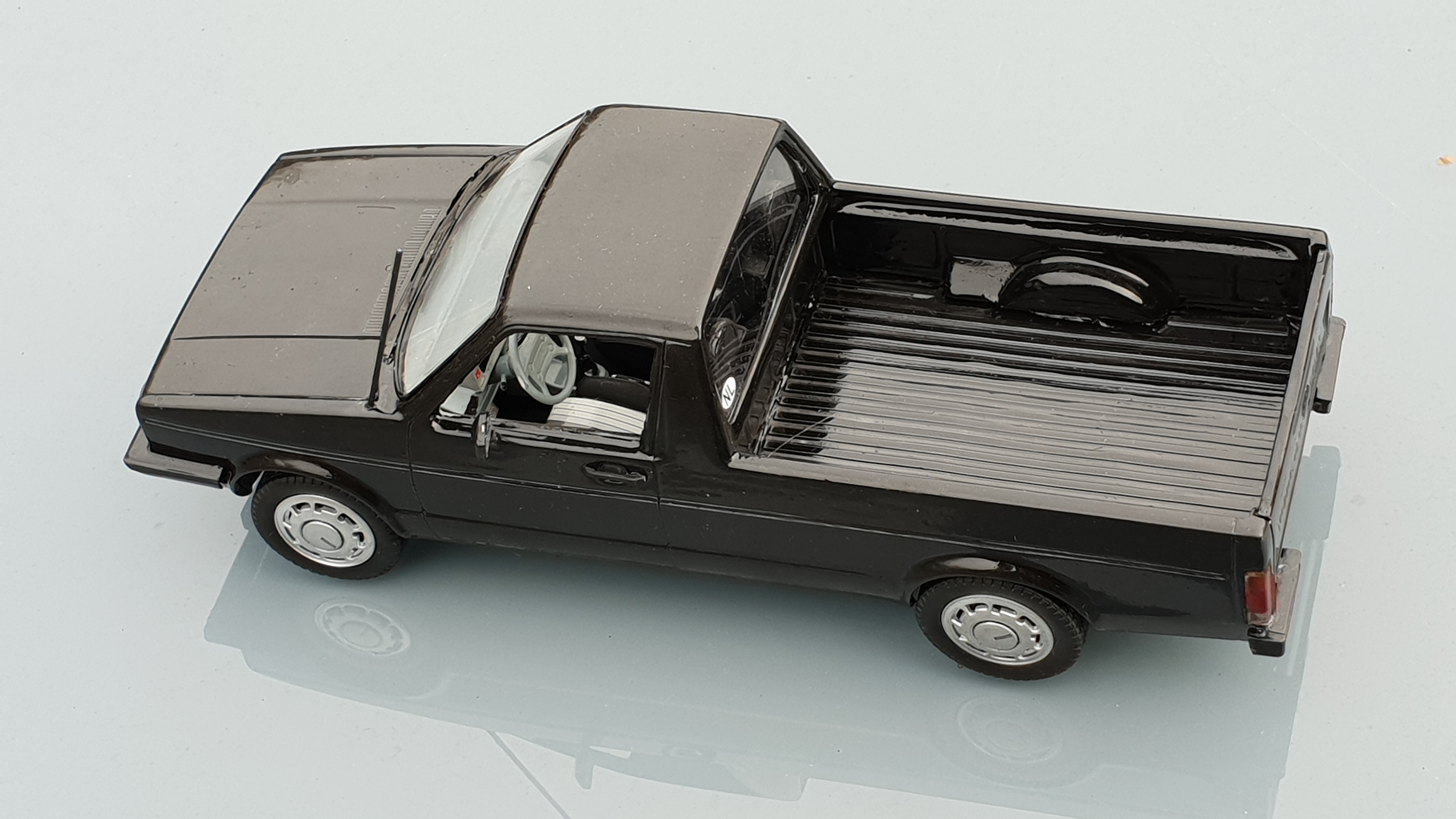


Granted, you get no instructions. You get to use the five or so pictures on C1 Models’ website and that’s generally it. You’re just supposed to follow the Golf instructions until you hit the awkward moment that you no longer can, at that point your modeler’s intuition will set in – how much do I have to cut away and exactly how much do I have to repeatedly squeeze and fit to try and complete this. The answer is quite easy actually, the bed length ends at roughly the exact part where the interior plate gets raised for the rear bench making a nice easily followed cutting line. The same goes for the chassis underneath and once they’re cut away it’s easy going from there on out, heck you could even simply use the length of the door panels for the Caddy and cut from there on and get just as much a flush fit, no problemo. In fact, the only issue I had with the whole kit(and resin kit) was that I missed the little axle arms and it took me give or take twenty minutes of desperate fitting and hoping to find out which tail light was which. The rest was just kind of going “oh yeah, that’d work” by drilling some holes for the seatbelts roughly where they’d be on the Golf kit, cutting the roof piece in there which wasn’t even required, so forth.
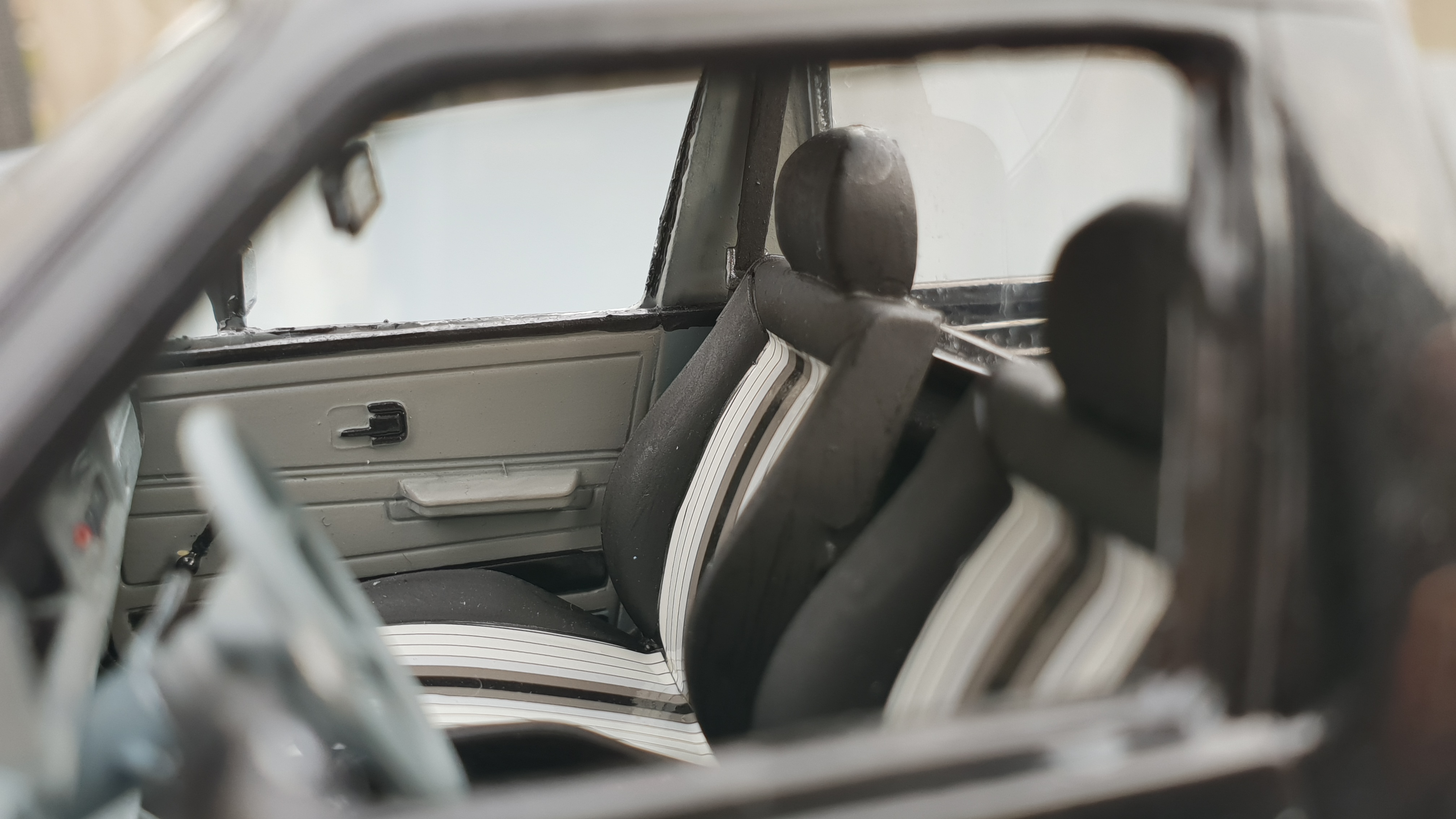


Feels good to start this year with a build that only went well, for a change. Especially with the decal business being busy and overworked to a extreme level, this was a neat little break to have.


’83 Volkswagen Caddy Mk.1 specifications:
Kit: #80-5694
Skill Level: 4
Parts: 118(+ 24 in the C1 kit)
Molded in: Gray
Scale: 1/25