


But before I go and explain how this in a lot of ways changed the course of the US automotive industry, this is my first finished brush with Hasegawa. I’ve been buying their kits for a long time, just never quite got around to actually wrapping one up. The Lancia Delta is one, a Mitsubishi Lancer IV is another I can think of, I just never really pushed through. Though lately with their new tools coming out the wood works that narrow down on a very fascinating time in history, like this mid seventies Civic, they’re doing varieties of the eighties Toyota Starlet, the Isuzu Gemini, hell there’s one that is really on my radar hardcore: the 1987 Nissan Bluebird SSS-R. A car so specced out for rally and dirt racing, it came pre-equipped with a damn roll bar and skid plate. It genuinely was a car that laid the perfect foundations of just… going with it. But I digress, they’ve been on a roll with their “historic cars” series of mostly new tools and updated kits and I can’t deny that they all look absolutely fantastic. The kits look crisp and detailed up the rear, the decal sheets are massive and pack wonderful creature comforts and they’re just quite swell to build too.


While Europe and Asia were reeling from quite literally having been bombed to rubble, ash and corpses, the US was hitting it’s Golden Age. Consumerism went off its collective rocker, the mentality of ‘bigger = better’ went so far from being a stupid bedroom joke that it produced cars the size of yachts and no-one bat a damn eye, not seeking to innovate more than what other absurd stuff they could shove in there. And who could really blame the cultural shift to just-overdo-everything-its-fun, they had a surplus from the war and really, they were gonna put it to good use. Meanwhile, Japan was shell shocked from being nuked, it’s stockpiles plundered and its economy put under severe strain cause of the ‘reparations’, the effects of the war itself and war fatigue on the common folk. Post war regulations from the new government made it very simple, in order to stimulate the auto industry with a new set of rules for a new type of car, now the common man could just about afford a motorcycle: engine displacement had to match a certain number(150cc in ’49 but it was raised to 360cc in ’55 and raised many times since), it could only have a wheelbase of a certain length and a certain length and height in general. These little guys are known as kei cars, and they really, truly have changed the world.


The second thing that the humble Civic did that the US cars couldn’t? And I should say, I am the number one fan of the seventies sleds and I will preach atop a rusted out ’76 LeSabre to have some fucking model kit love for this crestfallen era, but it’s only fair to show exactly why this era is forgotten in the eyes of the United States and gets only glanced at with a wince. The second thing is, it weighed 1554lbs(705kg) and it yanked 54hp from its 1200cc engine. Now, once again the comparison of that years most popular vehicle: the ’73 Chevy Monte Carlo. The 145HP, 17 and a half foot long, 3700 pound car with the 350 turbofire V8 would take a second longer to hit 60MPH than the little Civic.


Holy shit yes, it was a hell of thing to happen. The baseball bat was barely done swinging for the home run and the hitter already cracked his skull from tripping over home plate. In 1976, the term ‘typical Civic rust’ was coined and by 1979 the then-largest recall in US history was offered on Civics from 1972 through 1979. Well, why? Oh lord did they rust, did they rust something fuckin’ fierce. Stories of people stomping a hole clean through the bottom, fenders looking like Swiss cheese within 2 years, door panels ripping off the hinges from rusting, to stories that are infinitely more scary like the whole suspension arms snapping off at speeds. How the hell did this happen? It turns out, Honda didn’t anticipate the terrible conditions these cars would have to survive. From heat blasted southern states, to salt-water-rain suffering west coast, to we-salt-roads-from-October-to-June northern states and the combo of the previous east coast. But, you know what, they wintered it… Despite the anti-Asian car culture hanging in Michigan and the Civic continuing to have rust woes well into the eighties, even when they replaced most the body parts with plastic, they survived to become one of the biggest manufacturers across the globe. Even with that silly ‘chicken tax’ in the States, they made it through, mostly on the back of the little orange egg.


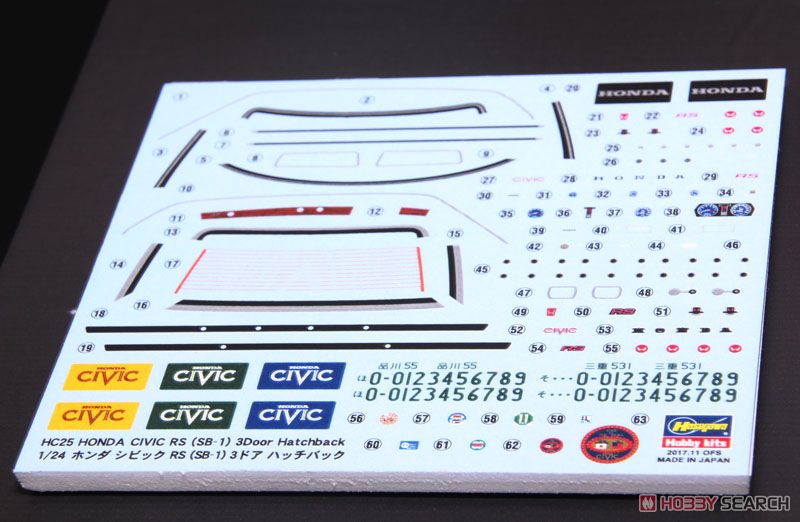

Speaking of decals, ho man am I happy with them. Printed in high as balls quality, they include every emblem, every little shred of chrome that might be a fuss to get drawn right with the hand, every piece of trim including the window trims, the whole lot. Heck they even go as far as to include all the chrome emblem decals with and without silver backing, just so you can pick a preference. That’s how you do decals, rather than making up forty bullshit company names, a Michigan license plate and calling it a day(once again, looking at you Round 2). The bumper trim, indicator surrounds, little chrome pieces for the windows, the whole damn lot. I design decals on a daily business and I try my damnest to have the most complete set for the money but holy crap is Hasegawa putting me to shame. This, this is how you do it. And this isn’t an anomaly either, most of their HC series models have these types of decals.
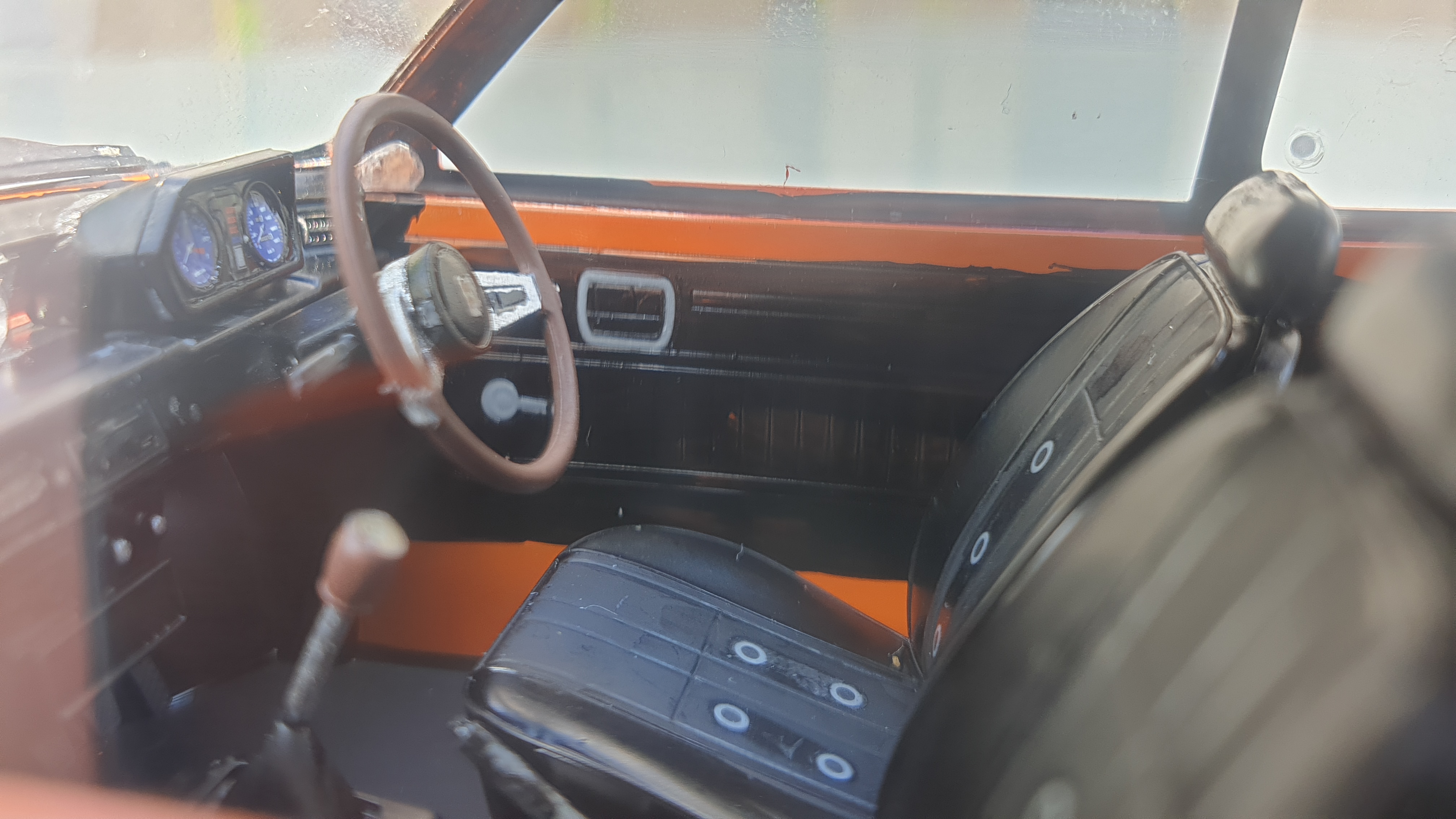

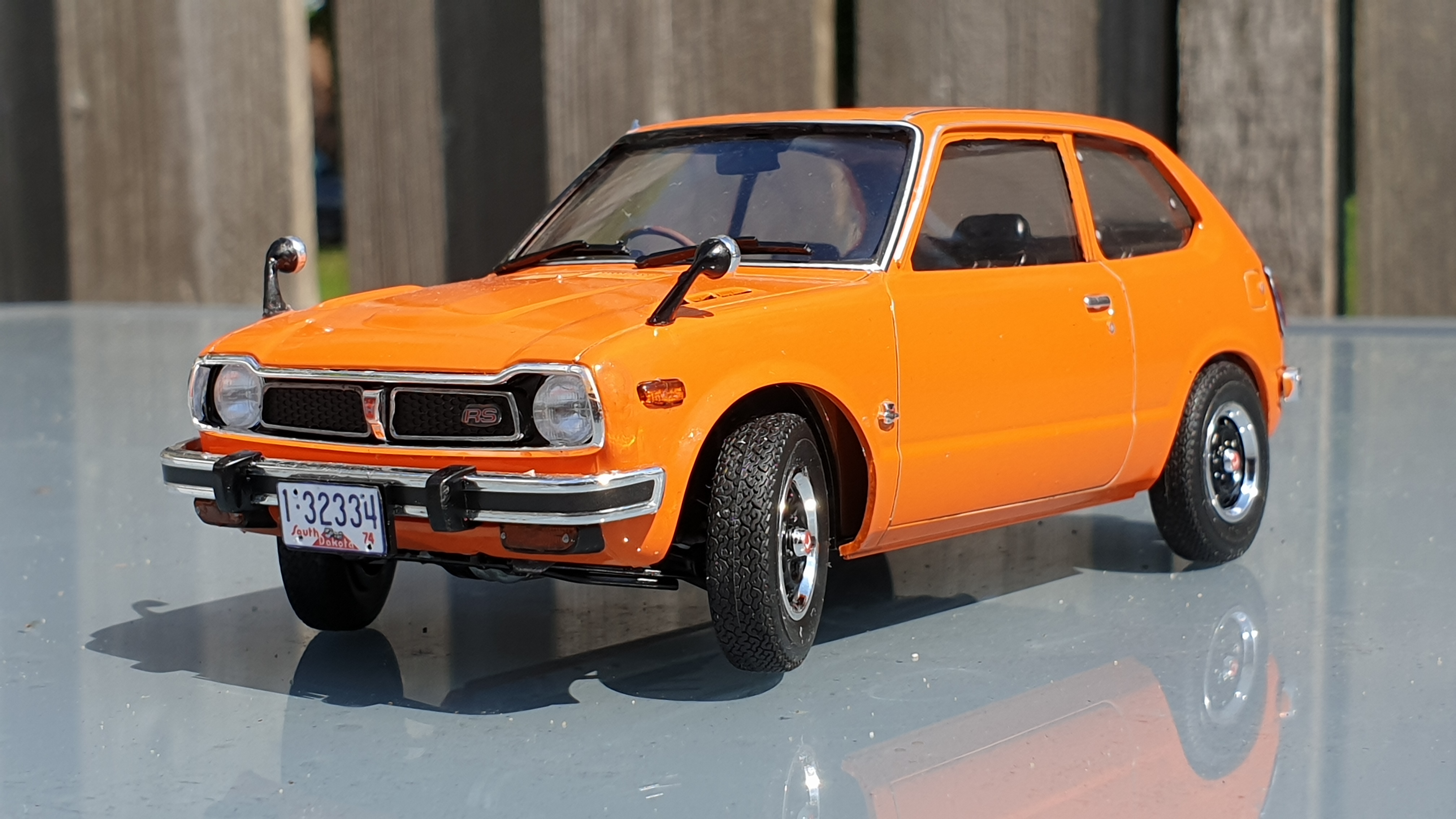
Mentioning that the body is very well crafted and that I absolutely love these chrome plated emblems and hope to hell and heaven that Round 2 or Revell someday steals this idea for every new kit rather than just the Chrysler “R/T” and GM “Z/28” models, mentioning those things is a little redundant. Aside from Fujimi, every company out there is cranking out high quality kits like clockwork, Aoshima, Platz Nunu, Tamiya and Hasegawa do nothing but exactly that. But that’s also where the drawback of this kit comes into play. Yes, you can say that the undercarriage is lovely and the suspension that in real life would rust away and cause you to have a horrible accident is detailed in amazing detail and has a really nice complex multi-piece build, but it’s a curbside. Now, I don’t mind this at all. But it does bum me out.


Seriously, this was one of the best ways I could’ve gotten kicked off my love for Hasegawa and their high quality as all hell HC series kits. I can’t wait to get my hands on that Nissan Bluebird SSS-R kit when it arrives in summer, and I might even pull the trigger on the ’88 Starlet after this one. This little guy went together so smoothly and provided a nice challenge without frustrating the ever living hell out of me, and that’s a hell of an achievement these days it seems!


’74 Honda Civic 1200 RS SB-1 specifications:
Kit: HC Series #25
Skill Level: N/A
Parts: 157
Molded in: White, Gray and Black
Scale: 1/24